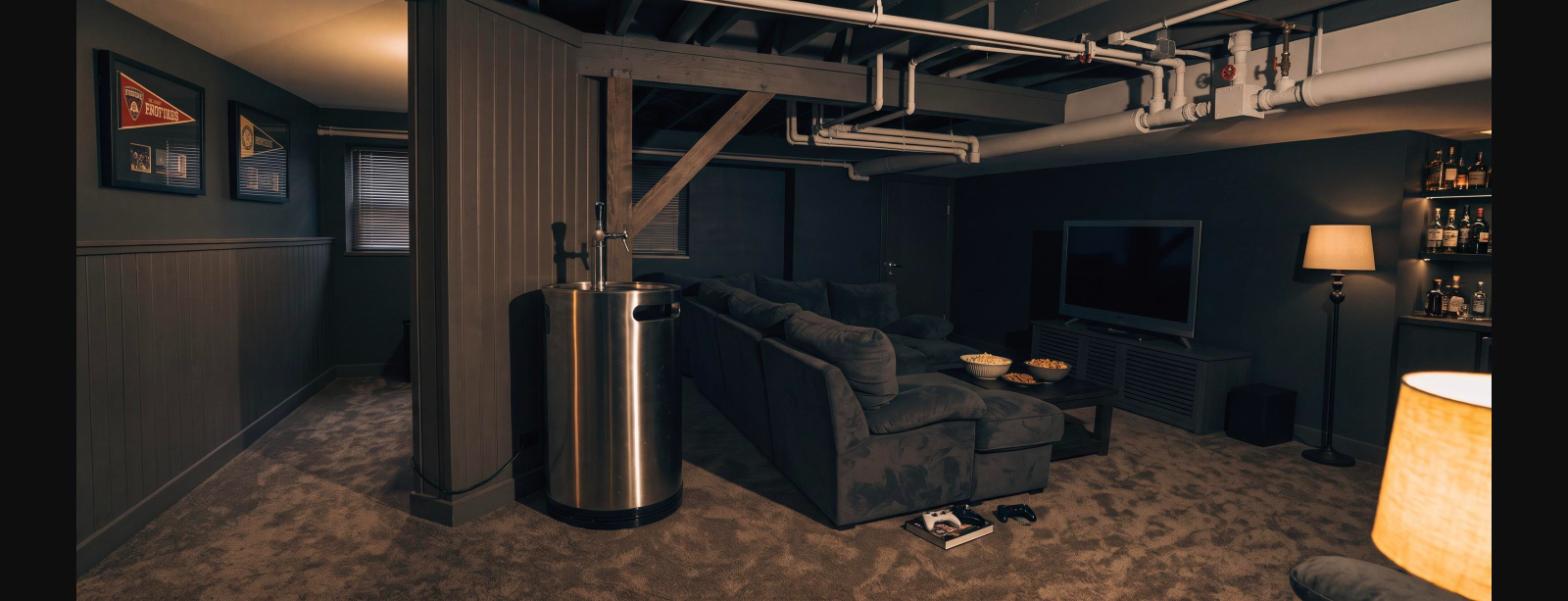
Every group has one house where everybody ends up on Sunday. Usually it earned that status with seating and a decent screen. The next upgrade people reach for is draft beer, and it is the one where enthusiasm runs ahead of the homework more often than not.
A keg fridge is not complicated, but it is a small refrigeration and pressure system rather than an appliance you plug in and forget. Here is what actually matters.
Temperature Is Most of the Battle
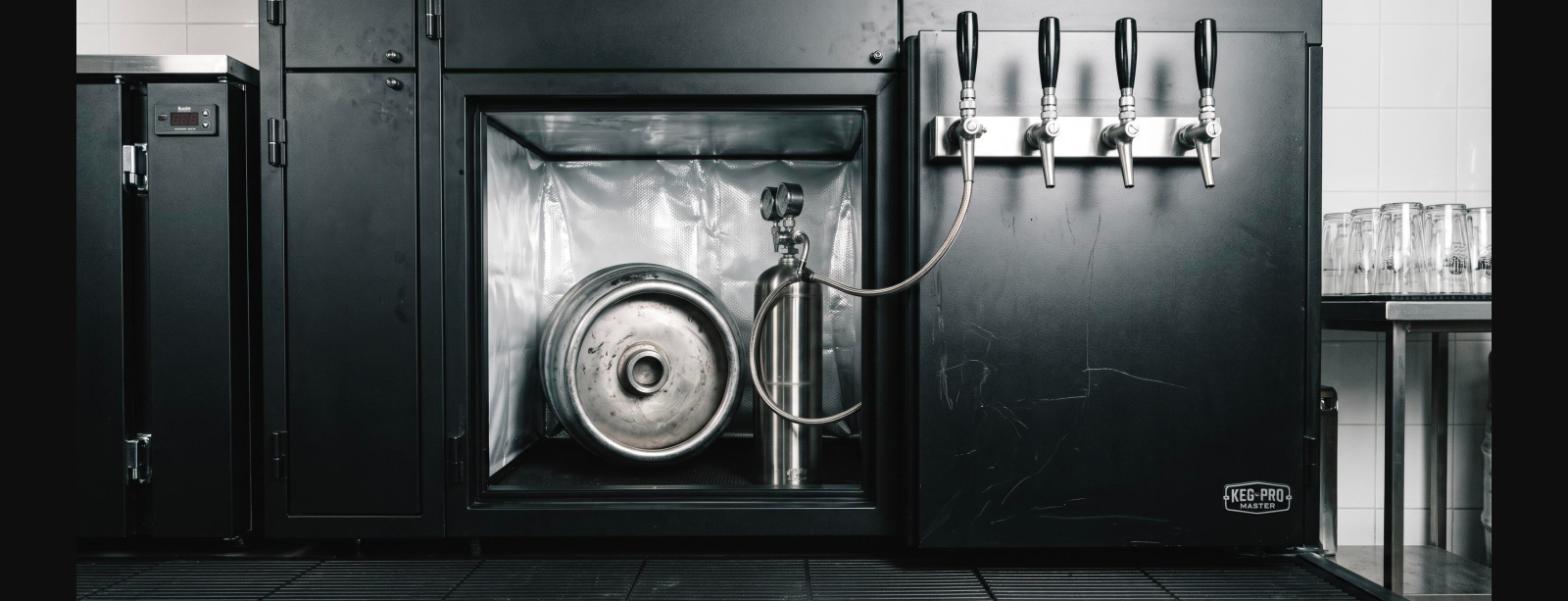
Draft beer wants to sit around 38°F, and it wants to stay there. Warm beer holds less CO2 in solution, so the gas comes out of suspension on the way to the glass and you get a tower of foam instead of a pour. Most first-time foam problems are a temperature problem wearing a disguise.
That is also why a converted mini fridge is a gamble. It has to hold a steady 38°F with a keg’s thermal mass inside and a tower sticking out of the top, and plenty of them cannot. Purpose-built units are designed around that load — the equipment pages for keg fridge setups are worth reading before you start cutting holes in a dorm fridge.
The Gas Side
A CO2 cylinder, a regulator, and a line to the keg. Most American ales and lagers sit happily around 10 to 12 psi at serving temperature. Too low and the beer goes flat and pours slow; too high and you over-carbonate it and foam again.
The part people skip is line balancing. Beer line creates resistance, and the length has to roughly match your pressure — too short a line at 12 psi arrives too fast and breaks out of solution in the glass. Five feet of 3/16″ line is a common starting point for a home setup. If your pour is foamy and the temperature is right, this is almost always the culprit.

Watch: Anatomy of a Beer Kegerator (YouTube)
Does the Math Work?
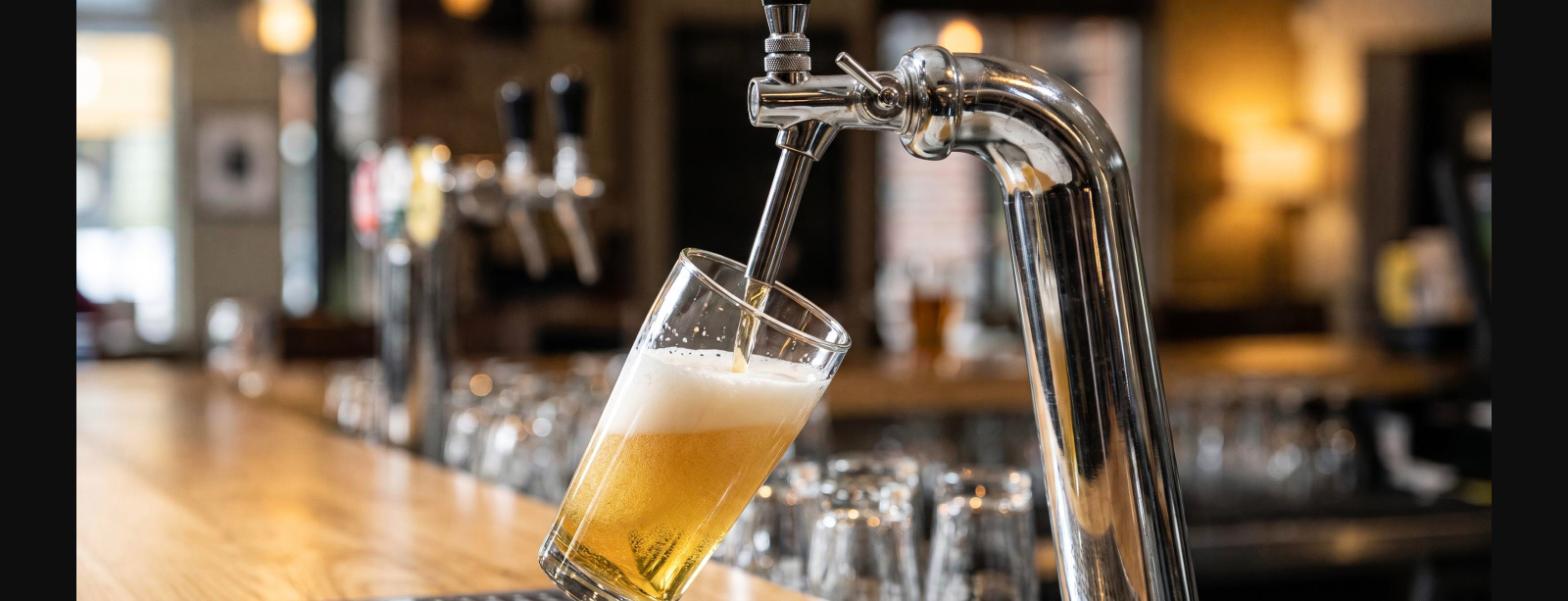
A half-barrel holds 15.5 gallons — about 165 twelve-ounce pours. Depending on what you drink, that often lands meaningfully below the equivalent in cans, and you stop dealing with recycling bins after every game.
The honest counterweight: a keg is a commitment. Once it is tapped you are drinking that beer for weeks, and a half-barrel that sits too long goes stale. If your group is six people once a week, a quarter-barrel or a sixth-barrel is the realistic size, even though the per-ounce price looks worse.
One Thing Worth Saying
This site spends most of its time on recovery — sleep, protein timing, hydration. Alcohol works against all three. It blunts muscle protein synthesis and measurably degrades sleep quality even when it helps you fall asleep faster.
That is not an argument against having a tap in the basement. It is just worth being clear that this is hosting equipment, not training equipment, and the Sunday setup and the Monday session are not helping each other.
Clean the lines every couple of months. That is the maintenance nobody mentions and the reason some home taps taste better than others.