Recovery is just as important as training when it comes to athletic performance, a lesson current and former professional football players understand better than most. Football places extreme demands on the body, combining explosive power, repeated impacts, and long training cycles that can leave muscles fatigued and joints inflamed. As a result, elite players often develop post-workout recovery routines that go far beyond stretching and rest. Many of these recovery hacks are now widely adopted by everyday athletes looking to improve performance, reduce soreness, and extend the longevity of their training.
Replenish Depleted Nutrients
 One of the first recovery priorities for football players is nutrition immediately after a workout. Strength sessions, conditioning drills, and on-field practices rapidly deplete muscle glycogen stores. Current and ex-professional players emphasize consuming carbohydrates quickly after training to replenish energy levels and support muscle repair. Simple, natural carbohydrates are often favored, and honey for post workout, has become a popular option. Rich in fast-absorbing sugars and trace antioxidants, honey can help restore glycogen while also providing a natural alternative to heavily processed recovery products. Many athletes mix honey into smoothies, drizzle it over yogurt, or add it to post-workout oatmeal to jump-start recovery.
Protein intake is equally critical in the post-workout window. Football players rely on high-quality protein sources such as lean meats, eggs, dairy, and plant-based options to support muscle repair and growth. Former professionals often note that consistency matters more than timing alone. Spreading protein intake evenly throughout the day helps maintain muscle mass and joint stability long after retirement, when recovery can take longer and injuries may linger. Pairing protein with carbohydrates like honey improves absorption and enhances the overall recovery response.
Hydration Is A Cornerstone
Hydration also plays a major role in recovery, particularly for football players who sweat heavily during training and games. Water alone may not be enough after intense workouts, so many players use electrolyte-rich drinks to replace sodium, potassium, and magnesium. Some ex-players favor simpler solutions such as water with a pinch of salt and honey, which offers both hydration and quick energy without artificial additives. Proper hydration helps reduce muscle cramps, improve circulation, and support joint health.
Physical Recovery Methods
Beyond nutrition, physical recovery methods are a staple in football culture. Cold tubs, contrast showers, and ice baths are commonly used to reduce inflammation and muscle soreness after intense sessions. While current players may have access to professional-grade recovery facilities, retired athletes often adapt these methods at home using cold showers or portable ice tubs. Foam rolling and mobility work are also essential tools, helping maintain flexibility and prevent stiffness, especially in the hips, lower back, and shoulders.

Sleep remains one of the most underrated recovery hacks emphasized by current and former football players alike. Quality sleep supports hormone regulation, muscle repair, and cognitive function. Many ex-professionals credit structured sleep routines with helping them stay active and pain-free long after leaving the game. Combined with smart nutrition—like post-workout honey intake—hydration, and mobility work, sleep forms the foundation of effective recovery.
The recovery habits of football players offer valuable lessons for anyone training hard. By prioritizing nutrition, embracing natural recovery aids like honey, staying hydrated, and committing to restorative practices, athletes can improve performance and protect their bodies for the long term.
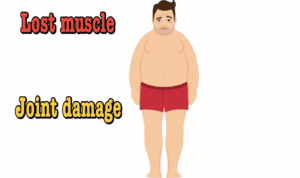 One of the first things retired athletes must recognize is that muscle maintenance requires a new approach. The body no longer benefits from the same hormonal environment or recovery speed as in the prime competitive years. Testosterone and growth hormone levels naturally decline with age, which can make
 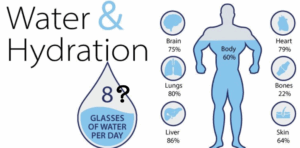 Nutrition plays a vital role in this phase. Protein intake should remain a top priority, ideally spaced throughout the day to maximize muscle protein synthesis. A general target of 1.6–2.2 grams of protein per kilogram of body weight helps maintain lean tissue. Lean meats, eggs, dairy, legumes, and plant-based sources like tofu and lentils are excellent options. Carbohydrates should not be neglected—they provide energy for effective workouts—and healthy fats support hormone balance. Hydration also becomes increasingly important for recovery and performance, even for those no longer competing at elite levels.